Plain-language guides to your animal's imaging, lab results and diagnoses, written for pet owners.

Intestinal Blockage in Dogs: What a Foreign Body Looks Like on X-ray
Hearing your dog's X-ray shows a possible obstruction or foreign body is frightening, but many swallowed objects pass on their own, and even a true blockage is one of the most treatable emergencies in veterinary medicine. Learn what an obstruction looks like on imaging, the warning signs that mean act now, and how it is diagnosed and treated.

Feline Asthma on a Chest X-ray: What a Bronchial Pattern in Cats Means
Your cat's chest X-ray mentions feline asthma or a bronchial pattern, and the coughing looks alarming. The reassuring truth: feline asthma is one of the most common chest conditions in cats, it is very manageable in the large majority, and most affected cats live full, comfortable lives. Learn what the finding means, the warning signs to know, and how it is treated.
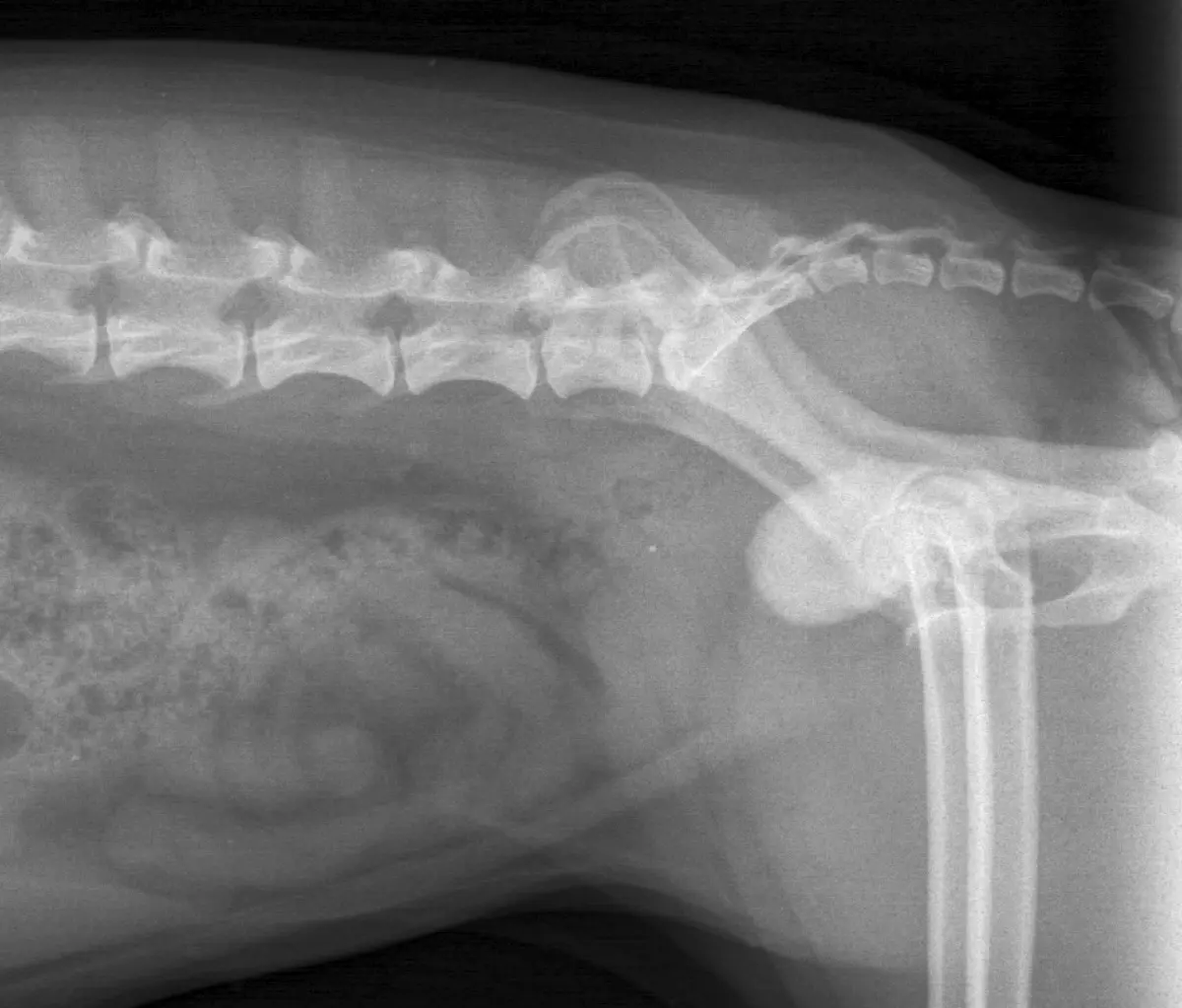
Bladder Stones in Dogs: What They Mean on X-ray and Ultrasound
A bladder stone on your dog's X-ray or ultrasound is worrying, but these stones are common and very treatable, and most dogs recover fully once they are dealt with. Learn what the finding means, the one situation that is a real emergency, and how stones are treated and prevented.
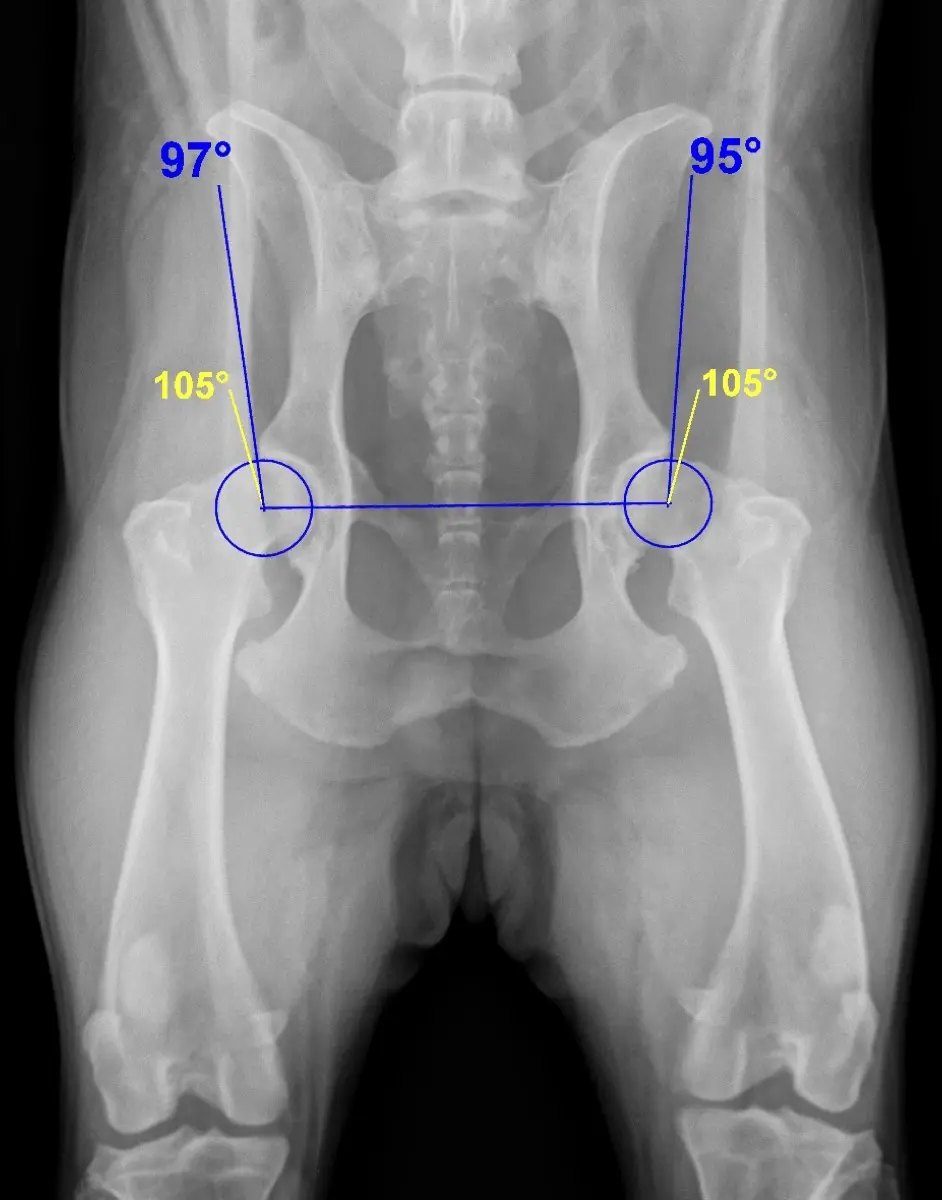
Hip Dysplasia on a Dog's Pelvic X-ray: What It Means and What to Do
Seeing "hip dysplasia" or "coxofemoral subluxation" on your dog's pelvic X-ray is unsettling, but most affected dogs go on to live full, active lives. This guide explains what the term means on a radiograph, how hips are graded with OFA, PennHIP, and FCI, and why the large majority are managed comfortably without surgery.
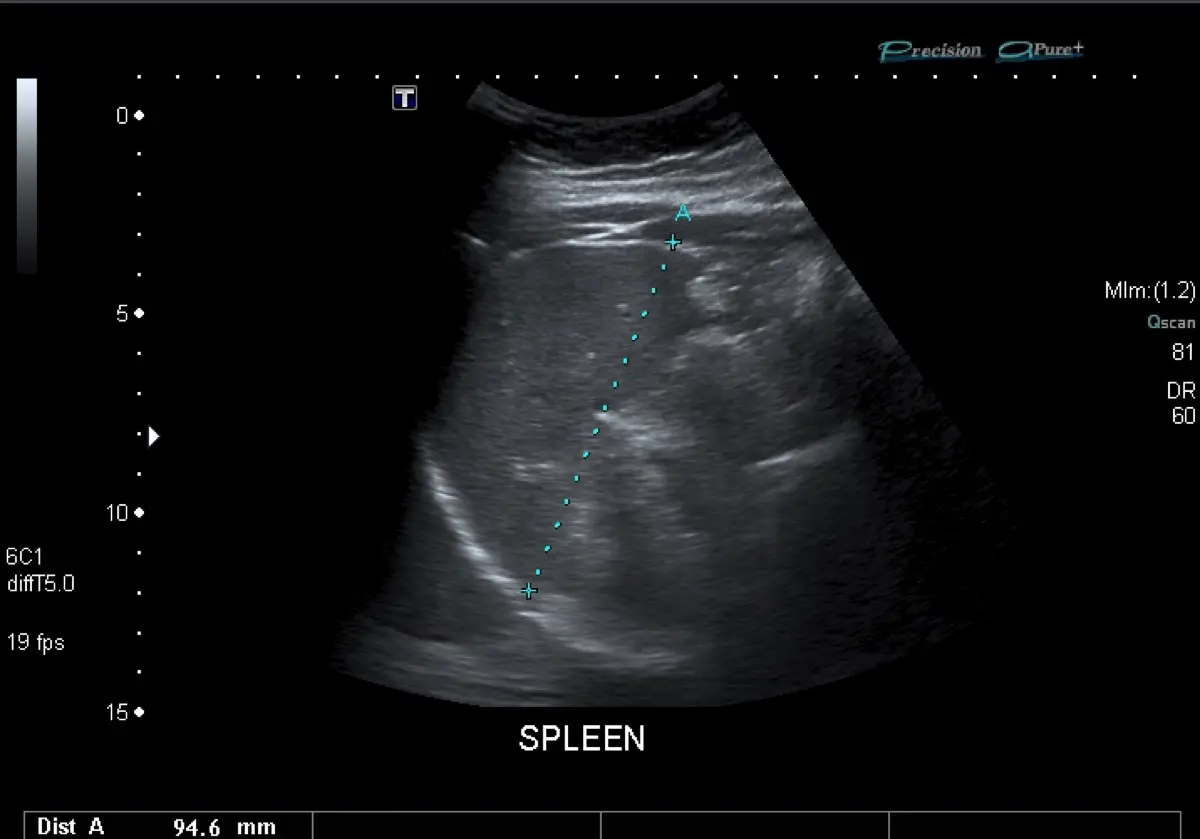
Splenic Mass or Nodule in Dogs: What an Ultrasound Finding Really Means
A splenic mass on your dog's ultrasound is not an automatic cancer diagnosis, and not a death sentence. Learn what the finding means, the benign possibilities, the rupture warning signs, and the staging and surgery steps that lead to a definitive answer.
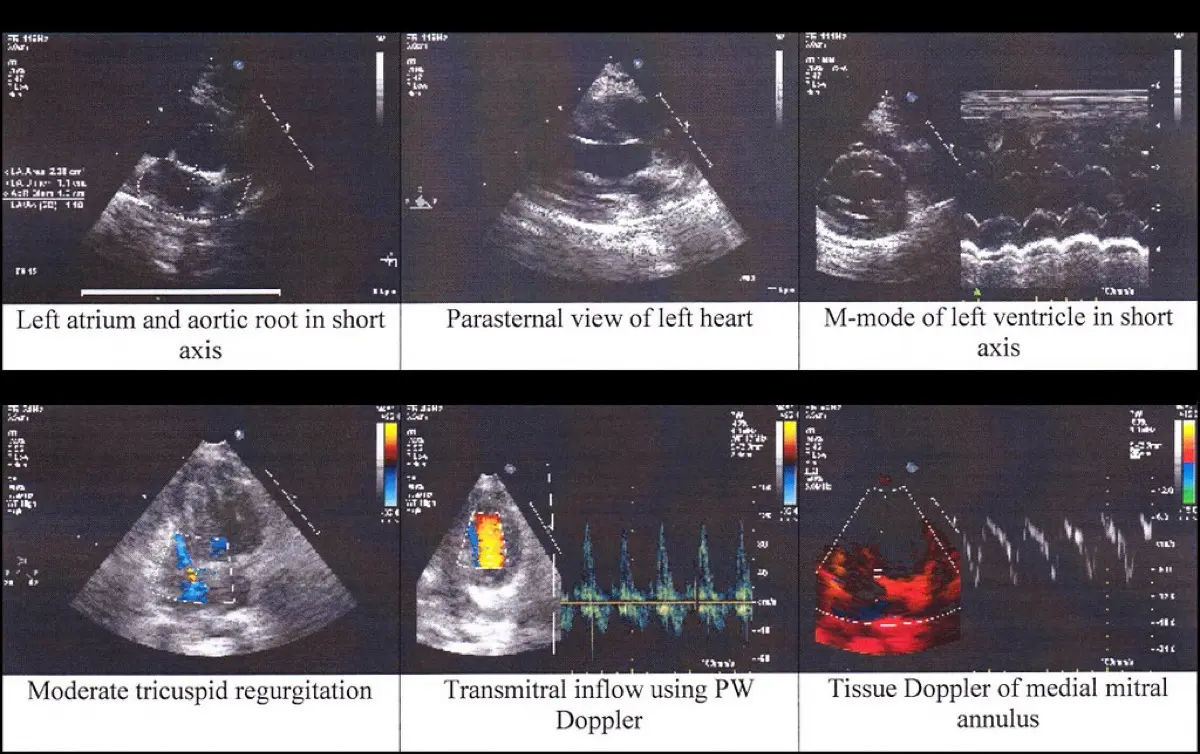
Hypertrophic Cardiomyopathy (HCM) in Cats on Echocardiography: What It Means
If your cat's echocardiogram mentions HCM or a thickened heart wall, it is natural to feel shaken. HCM is the most common heart condition in cats, and many affected cats stay comfortable for years. Here is what the finding means, what the wall-thickness numbers say, the warning signs to know, and how it is managed.
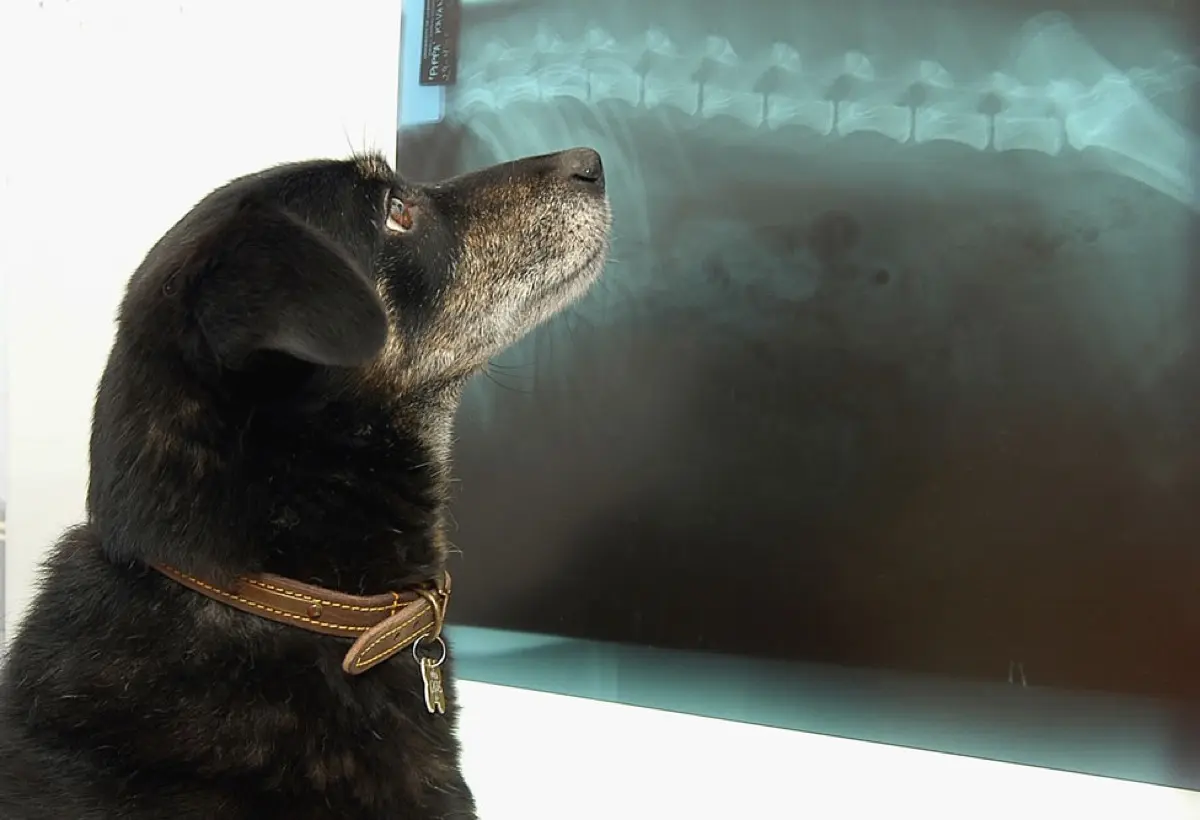
Cruciate Ligament Tear in Dogs: The Canine ACL Injury Explained
A cranial cruciate ligament (CCL) rupture is the canine version of a human ACL tear and the most common knee injury in dogs. It is usually a slow degenerative process rather than one accident, which is why the other knee often tears later too. Here is what it means, how it is diagnosed, and how owners and vets choose between surgery (TPLO, TTA, lateral suture) and conservative care.
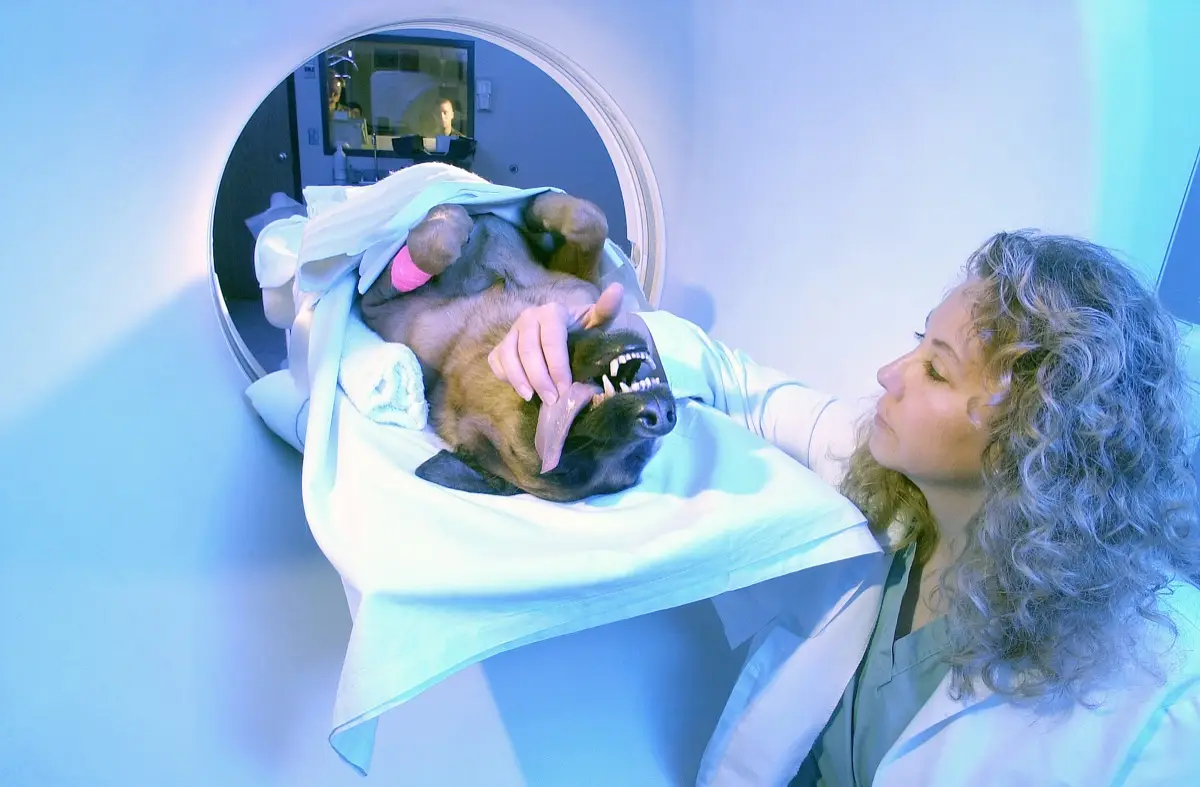
IVDD in Dogs: What Intervertebral Disc Disease Means on a Spinal MRI
If your dog's MRI mentions intervertebral disc disease, IVDD, or a disc extrusion, it is natural to feel shaken. Many dogs recover well, and the MRI is exactly the tool that helps your vet choose the right plan. Learn what Hansen type I and II mean, how severity is graded, the one red flag that can't wait, and how treatment works.